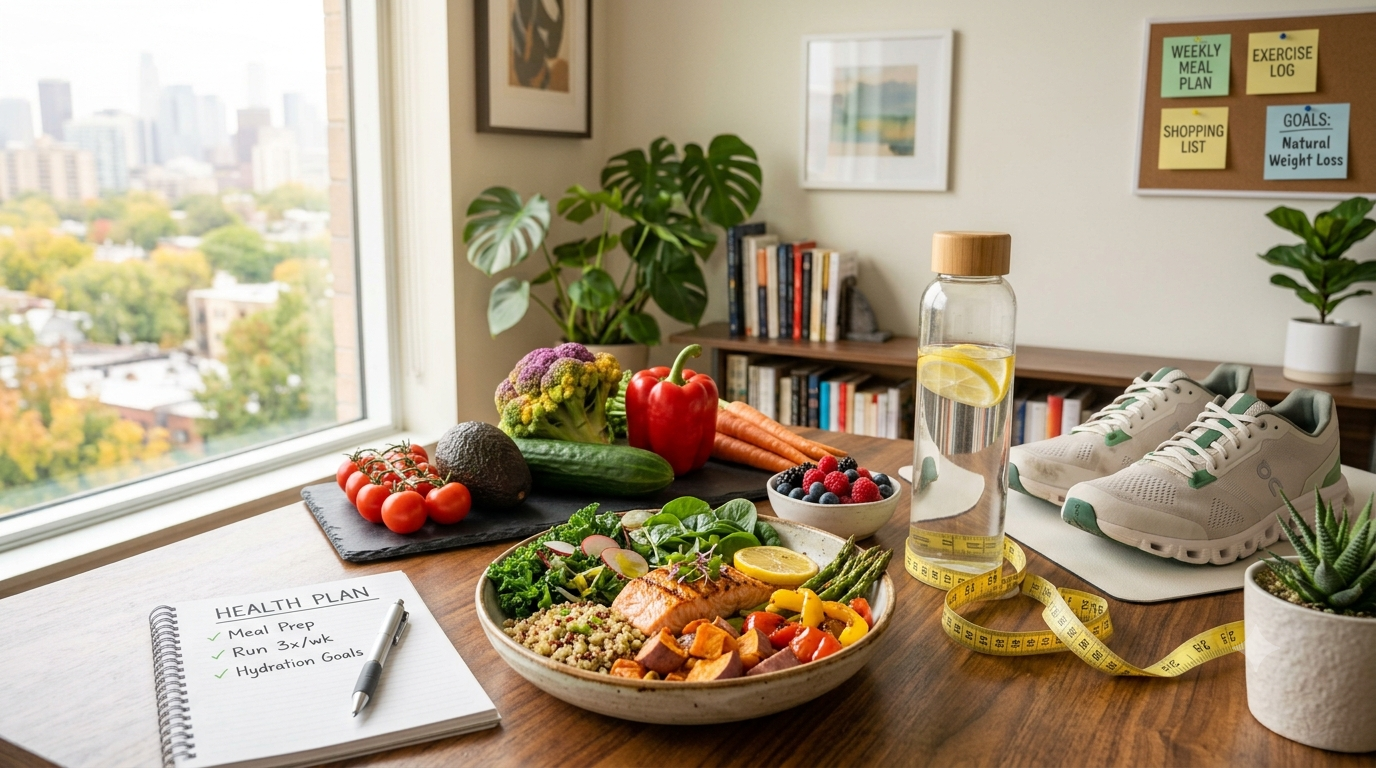
If you’re looking for a practical weight loss guide, the good news is that you don’t need crash diets, expensive supplements, or extreme workout routines to achieve lasting results. The safest and most effective way to lose weight is by creating healthy habits that you can maintain over time.
Successful weight loss comes from eating a balanced diet, staying physically active, getting enough sleep, managing stress, and maintaining a modest calorie deficit. While results vary from person to person, losing around 0.5–1 kg (1–2 pounds) per week is generally considered a safe and sustainable pace for most adults.
This guide explains the science behind weight loss, provides actionable tips, highlights common mistakes to avoid, and helps you build healthy habits for long-term success.
Understanding Healthy Weight Loss
Weight loss occurs when your body consistently uses more energy (calories) than it consumes. This is known as a calorie deficit. While the concept is straightforward, maintaining a healthy deficit requires balanced nutrition, regular movement, and sustainable habits.
Healthy weight loss focuses on reducing body fat while preserving muscle mass. Quick-fix diets may lead to rapid weight loss initially, but they are often difficult to maintain and can increase the likelihood of regaining weight.
Why People Gain Weight
Weight gain usually results from a combination of factors rather than a single cause.
Common contributors include:
- Consuming more calories than the body uses
- Sedentary lifestyle
- Poor sleep habits
- High intake of processed foods
- Frequent sugary drinks
- Emotional eating
- Chronic stress
- Certain medications
- Hormonal or medical conditions
If you’re gaining weight unexpectedly or struggling to lose weight despite healthy habits, consult a healthcare professional to rule out underlying medical conditions.
How Weight Loss Works
A calorie deficit can be achieved by:
- Eating fewer calories.
- Increasing physical activity.
- Combining both approaches.
The most sustainable plans prioritize nutrient-dense foods instead of severe calorie restriction.
Weight Loss Guide: Step-by-Step Plan
Step 1: Set Realistic Goals
Instead of focusing only on the number on the scale, set goals like:
- Walking 8,000–10,000 steps daily
- Exercising four times per week
- Drinking more water
- Cooking healthy meals at home
Behavior-based goals are easier to maintain than weight-based goals alone.
Step 2: Improve Your Diet
A balanced diet should include:
- Lean protein
- Whole grains
- Fruits
- Vegetables
- Healthy fats
- Fiber-rich foods
Aim to fill half your plate with vegetables at most meals.
Step 3: Prioritize Protein
Protein helps:
- Increase fullness
- Preserve muscle during weight loss
- Support recovery after exercise
Good protein sources include:
- Eggs
- Fish
- Chicken
- Lentils
- Beans
- Greek yogurt
- Tofu
Step 4: Eat More Fiber
Fiber slows digestion and promotes fullness.
High-fiber foods include:
- Oats
- Apples
- Berries
- Broccoli
- Beans
- Whole grains
- Chia seeds
Step 5: Drink Enough Water
Hydration supports overall health and may help reduce unnecessary snacking when thirst is mistaken for hunger.
Replacing sugary drinks with water can also reduce calorie intake.
Step 6: Exercise Regularly
A balanced routine includes both cardiovascular exercise and strength training.
Cardio Options
- Walking
- Cycling
- Swimming
- Jogging
- Dancing
Strength Training
Building muscle helps maintain metabolism during weight loss.
Examples include:
- Bodyweight exercises
- Resistance bands
- Dumbbells
- Weight machines
Aim for at least two strength-training sessions each week.
Step 7: Sleep Well
Adults generally benefit from 7–9 hours of quality sleep each night.
Poor sleep can affect hunger hormones and make healthy choices more difficult.
Step 8: Manage Stress
Long-term stress may contribute to emotional eating and unhealthy habits.
Helpful stress-management techniques include:
- Meditation
- Deep breathing
- Walking outdoors
- Reading
- Yoga
- Spending time with friends and family
Best Foods for Healthy Weight Loss
| Food Group | Examples | Benefits |
|---|---|---|
| Lean Protein | Chicken, Fish, Eggs | Supports muscle and fullness |
| Vegetables | Spinach, Broccoli, Carrots | Low in calories, high in nutrients |
| Fruits | Apples, Berries, Oranges | Rich in fiber and vitamins |
| Whole Grains | Brown Rice, Oats, Quinoa | Sustained energy |
| Healthy Fats | Avocados, Nuts, Olive Oil | Supports overall health |
| Legumes | Lentils, Chickpeas, Beans | Protein and fiber |
A varied diet provides essential nutrients and supports long-term health.
Foods to Limit
You don’t need to eliminate favorite foods completely, but limiting these can help reduce excess calorie intake:
- Sugary beverages
- Candy
- Fried foods
- Processed snacks
- Fast food
- Refined pastries
- Excess alcohol
- Highly processed desserts
Moderation is generally more sustainable than strict restriction.
Exercise for Fat Loss
An effective weekly routine might include:
| Day | Activity |
|---|---|
| Monday | Strength Training |
| Tuesday | Brisk Walking |
| Wednesday | Cycling or Swimming |
| Thursday | Strength Training |
| Friday | Walking |
| Saturday | Light Cardio or Hiking |
| Sunday | Rest or Stretching |
Consistency matters more than perfection.
Lifestyle Habits That Support Weight Loss
Healthy habits make long-term success more likely.
Consider:
- Meal planning
- Grocery shopping with a list
- Cooking at home more often
- Limiting late-night snacking
- Eating slowly
- Practicing mindful eating
- Reducing screen time during meals
Small improvements can add up over time.
Should You Use Supplements?
Many supplements claim to promote rapid weight loss, but evidence varies, and some products may have side effects.
Before taking any weight-loss supplement, discuss it with a qualified healthcare professional, especially if you have existing medical conditions or take prescription medications.
Tracking Your Progress
Weight isn’t the only measure of success.
Also track:
- Waist circumference
- Energy levels
- Fitness improvements
- Strength gains
- Clothing fit
- Healthy habits maintained
Progress photos taken under similar conditions can also help you notice gradual changes.
Pro Tips
- Focus on consistency rather than perfection.
- Include protein in every meal.
- Stay hydrated throughout the day.
- Prioritize vegetables at lunch and dinner.
- Strength train at least twice weekly.
- Walk more whenever possible.
- Plan meals in advance.
- Read nutrition labels.
- Celebrate non-scale victories.
- Be patient—lasting change takes time.
Common Mistakes to Avoid
- Following extreme crash diets.
- Skipping meals regularly.
- Drinking sugary beverages daily.
- Ignoring portion sizes.
- Not getting enough sleep.
- Avoiding strength training.
- Expecting rapid results.
- Comparing yourself to others.
- Giving up after small setbacks.
- Relying solely on supplements.
Frequently Asked Questions
1. What is the safest rate of weight loss?
For most adults, losing around 0.5–1 kg (1–2 pounds) per week is considered safe and sustainable. Individual recommendations may vary based on health status.
2. Do I need to stop eating carbohydrates?
No. Whole grains, fruits, vegetables, and legumes are valuable sources of carbohydrates and important nutrients.
3. Is walking enough to lose weight?
Walking can contribute to weight loss when combined with a balanced diet and a calorie deficit. Adding strength training provides additional benefits.
4. Can I lose weight without exercising?
Weight loss is possible through dietary changes alone, but exercise supports overall health, preserves muscle, and improves fitness.
5. Are cheat meals okay?
Occasional treats can fit into a balanced eating pattern. The overall quality of your diet matters more than a single meal.
6. Should I count calories?
Some people find calorie tracking helpful, while others prefer focusing on portion control and healthier food choices. Choose the approach that works best for you.
7. Why has my weight loss stalled?
Weight-loss plateaus are common. Reviewing your calorie intake, physical activity, sleep, and consistency may help identify areas for adjustment.
8. Do weight-loss supplements work?
Some supplements may have limited evidence, but none replace healthy eating and regular physical activity. Speak with a healthcare professional before using them.
9. How important is sleep?
Sleep is essential. Poor sleep can affect appetite, energy levels, and decision-making, making weight management more challenging.
10. When should I see a doctor?
Consult a healthcare professional if you experience unexplained weight changes, have significant medical conditions, or need personalized guidance for weight management.
Conclusion
This weight loss guide demonstrates that lasting results come from healthy habits rather than quick fixes. By eating nutritious foods, staying active, getting enough sleep, managing stress, and maintaining a sustainable calorie deficit, you can lose weight safely while improving your overall health.
Remember that progress looks different for everyone. Focus on consistency, celebrate small achievements, and avoid comparing your journey to others. If you have underlying medical conditions or need personalized advice, seek guidance from a qualified healthcare professional or registered dietitian.
Leave a Reply