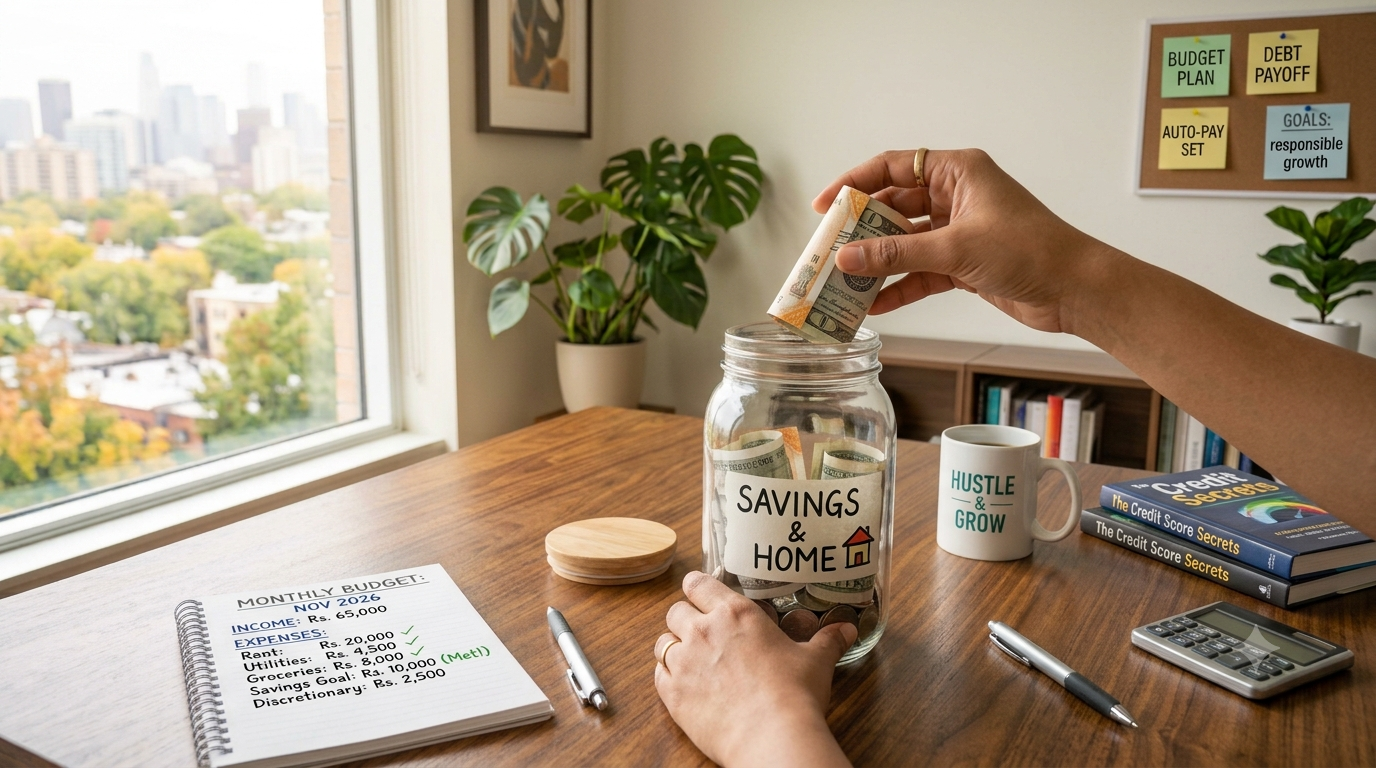
Looking for practical tips to save money every month? The most effective way to build savings is by creating a realistic budget, tracking your expenses, reducing unnecessary spending, automating your savings, and making smarter financial decisions consistently. You don’t need a high income to save money—small habits practiced every month can make a significant difference over time.
Whether you’re saving for an emergency fund, a vacation, a home, or simply trying to reduce financial stress, this guide will show you proven strategies that work for beginners and experienced savers alike.
Why Saving Money Matters
Saving money provides financial security and helps you prepare for both expected and unexpected expenses.
Regular savings can help you:
- Build an emergency fund
- Reduce financial stress
- Avoid unnecessary debt
- Reach long-term financial goals
- Handle unexpected medical or repair bills
- Invest in future opportunities
Even saving a small amount each month can add up over time through consistency.
Understand Your Spending Habits
Before you can save more, you need to understand where your money goes.
Track your expenses for at least one month and categorize them into:
- Housing
- Transportation
- Food
- Utilities
- Entertainment
- Shopping
- Healthcare
- Savings
Many people discover they spend more than expected on small daily purchases.
Create a Monthly Budget
A budget gives every dollar a purpose.
One popular budgeting method is the 50/30/20 rule:
| Category | Percentage |
|---|---|
| Needs | 50% |
| Wants | 30% |
| Savings & Debt Repayment | 20% |
Adjust these percentages based on your income and financial priorities.
The goal is to spend intentionally rather than impulsively.
Tips to Save Money Every Month
1. Pay Yourself First
Instead of saving what’s left after spending, transfer money into your savings account as soon as you receive your income.
Automating this process makes saving easier and more consistent.
2. Track Every Expense
Recording your daily expenses helps identify unnecessary spending.
You can use:
- Budgeting apps
- Spreadsheets
- Notebook
- Banking apps
Awareness is often the first step toward better financial decisions.
3. Reduce Unnecessary Subscriptions
Review recurring charges such as:
- Streaming services
- Gym memberships
- Software subscriptions
- Mobile apps
Cancel services you rarely use.
4. Plan Your Meals
Meal planning reduces food waste and helps avoid expensive takeout.
Simple strategies include:
- Preparing weekly menus
- Shopping with a grocery list
- Cooking larger portions for leftovers
Home-cooked meals are often healthier and more affordable.
5. Avoid Impulse Purchases
Before buying something non-essential, wait 24 hours.
This cooling-off period helps you determine whether the purchase is truly necessary.
6. Compare Prices Before Buying
Take a few minutes to compare prices from different retailers.
Many products are available at significantly different prices depending on where you shop.
7. Buy Quality When It Makes Sense
Cheaper products sometimes cost more in the long run if they need frequent replacement.
For regularly used items, investing in quality can provide better value over time.
8. Use Cashback and Reward Programs
Cashback offers and loyalty programs can reduce overall spending when used responsibly.
Avoid spending more just to earn rewards.
9. Reduce Energy Usage
Lower utility bills by:
- Turning off unused lights
- Using energy-efficient appliances
- Adjusting thermostat settings
- Unplugging unused electronics
Small changes can lower monthly expenses.
10. Set Financial Goals
Having clear goals makes saving more motivating.
Examples include:
- Emergency fund
- Vacation
- Home down payment
- Education
- Retirement
- New vehicle
Break larger goals into smaller monthly targets.
Reduce Everyday Expenses
Saving money doesn’t always require major lifestyle changes.
Consider these practical ideas:
Transportation
- Walk or cycle when possible.
- Use public transportation.
- Combine errands into one trip.
Groceries
- Buy seasonal produce.
- Compare unit prices.
- Avoid shopping while hungry.
- Purchase staple items in bulk when practical.
Entertainment
Look for free or low-cost activities such as:
- Community events
- Parks
- Libraries
- Hiking
- Home movie nights
Entertainment doesn’t have to be expensive.
Shopping
Ask yourself:
- Do I need this?
- Can I wait?
- Is there a better price elsewhere?
- Will I still value this in six months?
These questions help reduce unnecessary purchases.
Build Better Financial Habits
Long-term financial success depends on consistent habits.
Healthy habits include:
- Reviewing your budget monthly
- Paying bills on time
- Saving regularly
- Avoiding unnecessary debt
- Monitoring account balances
- Setting financial goals
- Reviewing subscriptions annually
Habits often matter more than occasional large savings.
Build an Emergency Fund
Unexpected expenses happen.
Aim to gradually build an emergency fund that can help cover essential expenses during financial setbacks.
The appropriate amount depends on your personal circumstances, income stability, and financial obligations.
Should You Invest or Save?
Saving and investing serve different purposes.
| Saving | Investing |
|---|---|
| Short-term goals | Long-term growth |
| Lower risk | Higher potential returns with higher risk |
| Emergency fund | Retirement or wealth building |
| Easy access | May fluctuate in value |
Consider speaking with a qualified financial advisor before making investment decisions.
Monthly Savings Challenge Example
| Week | Goal |
|---|---|
| Week 1 | Track all spending |
| Week 2 | Cancel one unnecessary subscription |
| Week 3 | Cook meals at home most days |
| Week 4 | Transfer extra money into savings |
Repeating small challenges throughout the year can build lasting habits.
Pro Tips
- Automate your savings.
- Set realistic financial goals.
- Track spending weekly.
- Use a shopping list.
- Avoid lifestyle inflation after salary increases.
- Build an emergency fund gradually.
- Review subscriptions every few months.
- Compare prices before large purchases.
- Pay bills on time to avoid late fees.
- Celebrate savings milestones to stay motivated.
Common Mistakes to Avoid
- Spending without a budget.
- Ignoring small daily expenses.
- Using credit cards irresponsibly.
- Shopping impulsively.
- Forgetting recurring subscriptions.
- Not tracking expenses.
- Setting unrealistic savings goals.
- Neglecting an emergency fund.
- Delaying savings until “next month.”
- Giving up after occasional setbacks.
Frequently Asked Questions
1. How much should I save each month?
The amount depends on your income, expenses, and financial goals. Saving consistently—even small amounts—is often more important than saving large amounts occasionally.
2. What is the easiest way to save money?
Automating transfers to a savings account immediately after receiving your income is one of the simplest and most effective methods.
3. Should I pay off debt or save first?
Many financial experts recommend building a small emergency fund while paying down high-interest debt. The right approach depends on your individual circumstances.
4. Is budgeting necessary?
Yes. A budget helps you understand where your money goes and allows you to make informed financial decisions.
5. How can I stop impulse buying?
Use a waiting period, shop with a list, and avoid browsing online stores when you’re bored or stressed.
6. What is an emergency fund?
An emergency fund is money reserved for unexpected expenses such as medical bills, job loss, or urgent repairs.
7. Can I save money on a low income?
Yes. Even modest, consistent savings combined with careful budgeting can build financial security over time.
8. Should I invest instead of saving?
Savings are generally appropriate for short-term needs and emergencies, while investments are typically better suited for long-term financial goals and involve varying levels of risk.
9. Why do I struggle to save money?
Common reasons include lack of budgeting, impulse spending, unclear goals, and inconsistent financial habits.
10. How often should I review my budget?
Reviewing your budget at least once a month helps ensure it continues to match your income, expenses, and financial priorities.
Conclusion
Following these tips to save money can help you gain greater control over your finances without making drastic lifestyle changes. The key is consistency. Small actions—such as tracking expenses, creating a budget, automating savings, and reducing unnecessary spending—can lead to meaningful financial progress over time.
Remember that everyone’s financial situation is different. Focus on building habits that fit your lifestyle, adjust your plan as your circumstances change, and celebrate steady progress rather than aiming for perfection. If you need personalized advice for complex financial decisions, consult a qualified financial professional.
Leave a Reply