How-to-Editor
Introduction
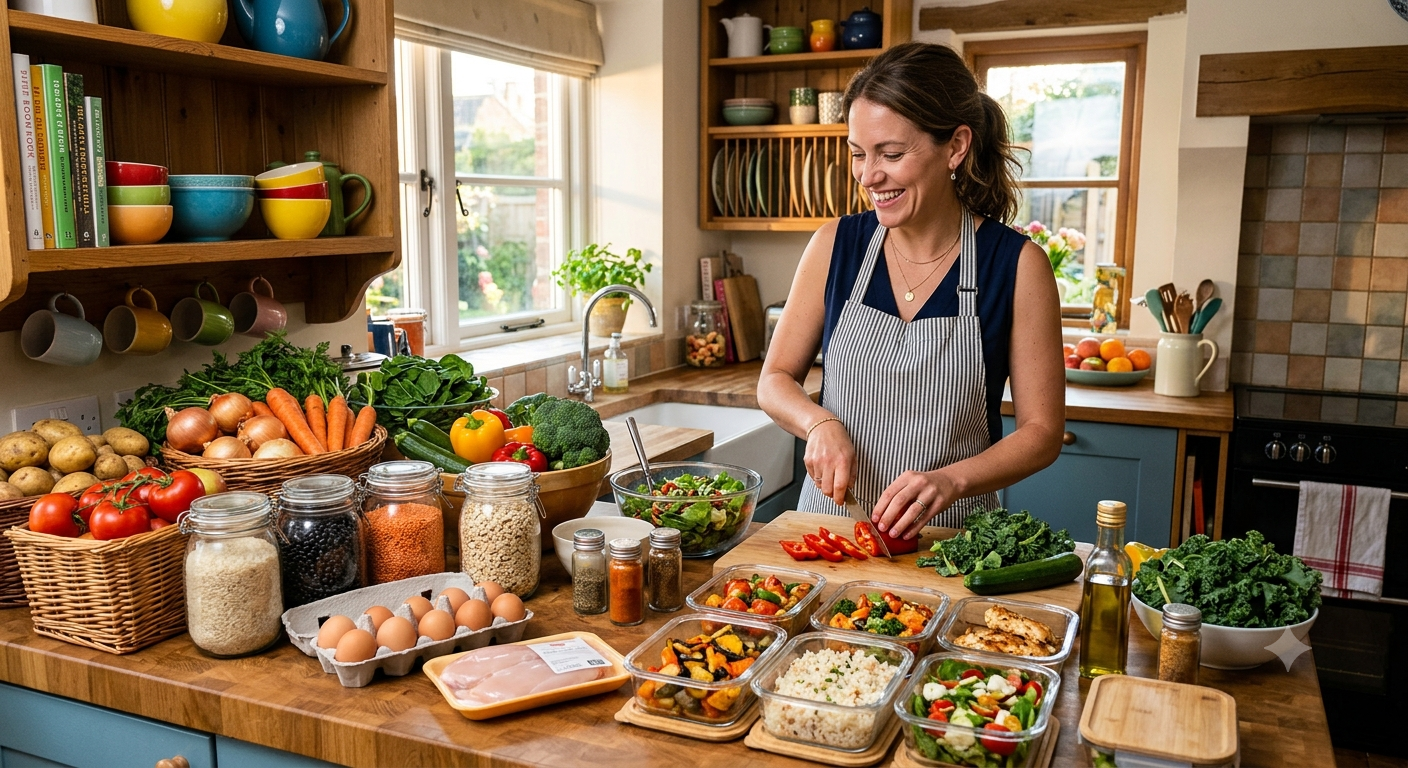
Learning how to Cook Healthy Meals doesn’t have to mean spending a fortune on expensive ingredients or specialty foods. In fact, some of the healthiest meals in the world are built around simple, affordable staples like vegetables, beans, rice, oats, eggs, and whole grains.
If you’ve ever wondered whether eating healthy on a tight budget is possible, the answer is yes. With smart planning, thoughtful grocery shopping, and simple cooking techniques, you can prepare nutritious meals that taste great while keeping your grocery bill under control.
In this guide, you’ll discover practical strategies for meal planning, shopping wisely, reducing food waste, and preparing delicious homemade meals without overspending.
Why Healthy Eating Doesn’t Have to Be Expensive
Many people assume healthy food is always costly because supermarkets often promote premium organic products and ready-made health meals. However, these convenience items usually cost much more than cooking from scratch.
Preparing meals at home gives you complete control over:
- Ingredient quality
- Portion sizes
- Salt and sugar levels
- Cooking methods
- Overall cost
A homemade meal often costs only a fraction of what you’d pay for takeout or processed convenience foods.
Benefits of Cooking Healthy Meals on a Budget
Besides saving money, affordable healthy cooking offers several long-term advantages.
- Better nutrition
- Lower grocery expenses
- Improved weight management
- Reduced food waste
- More balanced meals
- Better cooking skills
- Healthier family eating habits
- Greater control over ingredients
Even small weekly savings can add up significantly over the course of a year.
Plan Before You Shop
Meal planning is one of the most effective ways to reduce grocery costs.
Instead of shopping without a plan, decide what you’ll eat throughout the week. This helps you purchase only what you actually need.
Steps for Effective Meal Planning
- Check what food you already have.
- Plan breakfasts, lunches, dinners, and snacks.
- Choose recipes with overlapping ingredients.
- Write a shopping list.
- Stick to the list.
For example, if you’re buying carrots, onions, and spinach, use them in soups, stir-fries, salads, and omelets instead of buying separate vegetables for every recipe.
Build Meals Around Affordable Staples
Healthy eating becomes much more affordable when you focus on inexpensive staple foods.
| Food | Benefits | Budget-Friendly Uses |
|---|---|---|
| Brown rice | High in fiber | Rice bowls, stir-fries |
| Oats | Filling breakfast | Overnight oats, oatmeal |
| Lentils | Protein and fiber | Soups, curries |
| Beans | Affordable protein | Chili, salads |
| Eggs | Complete protein | Breakfast, sandwiches |
| Potatoes | Rich in potassium | Baked, mashed |
| Frozen vegetables | Nutritious and convenient | Stir-fries, soups |
| Whole wheat pasta | Complex carbohydrates | Pasta dishes |
| Seasonal fruits | Vitamins and antioxidants | Snacks, smoothies |
| Chicken thighs | Lean protein | Roasted meals |
These foods provide excellent nutrition without stretching your budget.
Buy Seasonal Produce
Seasonal fruits and vegetables are often:
- Fresher
- More flavorful
- More nutritious
- Less expensive
Buying strawberries during strawberry season or pumpkins during autumn can significantly reduce grocery costs.
If fresh produce isn’t affordable, frozen vegetables are an excellent alternative because they’re usually frozen shortly after harvest.
Choose Frozen and Canned Foods Wisely
Frozen vegetables often contain nutrients comparable to fresh produce.
Healthy frozen options include:
- Broccoli
- Mixed vegetables
- Spinach
- Peas
- Corn
For canned foods, choose products with:
- Low sodium
- No added sugar
- BPA-free cans when available
Always rinse canned beans to reduce excess sodium.
Shop Smart at the Grocery Store
A few shopping habits can make a noticeable difference in your food budget.
Compare Unit Prices
Don’t just compare package prices.
Instead, compare:
- Price per pound
- Price per kilogram
- Price per ounce
Larger packages often provide better value if you’ll use the food before it expires.
Avoid Shopping Hungry
Shopping while hungry increases impulse purchases.
Eating a small snack before grocery shopping helps you stick to your list.
Buy Store Brands
Generic or store-brand products often have nearly identical ingredients compared to premium brands but cost considerably less.
Examples include:
- Rice
- Pasta
- Oats
- Frozen vegetables
- Yogurt
- Canned beans
Cook in Large Batches
Batch cooking saves both time and money.
Prepare large portions of meals such as:
- Vegetable soup
- Lentil curry
- Chili
- Chicken stew
- Brown rice
- Pasta sauce
Divide meals into containers for easy lunches and dinners throughout the week.
Learn Basic Cooking Techniques
You don’t need advanced culinary skills to prepare healthy meals.
Focus on mastering:
Boiling
Perfect for:
- Eggs
- Rice
- Potatoes
- Pasta
Roasting
Great for:
- Chicken
- Sweet potatoes
- Broccoli
- Carrots
Stir-Frying
Uses very little oil while cooking quickly.
Ideal for:
- Mixed vegetables
- Chicken
- Tofu
- Shrimp
Slow Cooking
Excellent for inexpensive cuts of meat and dried beans.
Reduce Food Waste
Food waste increases grocery expenses.
Simple ways to waste less include:
- Freeze leftovers.
- Store produce correctly.
- Use older vegetables in soups.
- Turn ripe bananas into smoothies.
- Repurpose cooked chicken into salads.
- Freeze fresh herbs.
Every ingredient you use completely helps maximize your grocery budget.
Affordable Protein Sources
Protein doesn’t have to come from expensive steaks.
Budget-friendly protein choices include:
- Eggs
- Chicken thighs
- Tuna
- Lentils
- Chickpeas
- Black beans
- Cottage cheese
- Greek yogurt
- Peanut butter
- Tofu
Combining plant-based proteins with whole grains creates balanced, filling meals.
Healthy Carbohydrates That Cost Less
Carbohydrates provide energy and are often very affordable.
Excellent choices include:
- Brown rice
- Whole wheat pasta
- Oats
- Potatoes
- Sweet potatoes
- Whole grain bread
- Quinoa (when on sale)
- Barley
Choose minimally processed options whenever possible.
Budget-Friendly Healthy Fats
Healthy fats support brain health and help you stay full.
Affordable options include:
- Peanut butter
- Sunflower seeds
- Flaxseeds
- Olive oil
- Canola oil
- Pumpkin seeds
- Avocados (when in season)
Remember that healthy fats are calorie-dense, so moderate portions are best.
Simple Healthy Meal Ideas
Breakfast
- Oatmeal with banana and cinnamon
- Vegetable omelet
- Greek yogurt with fruit
- Peanut butter toast
- Overnight oats
Lunch
- Lentil soup
- Chicken rice bowl
- Bean salad
- Vegetable wrap
- Tuna sandwich
Dinner
- Baked chicken with roasted vegetables
- Stir-fried vegetables and rice
- Vegetable pasta
- Chickpea curry
- Turkey chili
Healthy Snacks
- Apple slices
- Carrots with hummus
- Mixed nuts
- Yogurt
- Hard-boiled eggs
- Popcorn
Sample One-Day Budget Meal Plan
| Meal | Example |
|---|---|
| Breakfast | Oatmeal with banana |
| Snack | Apple |
| Lunch | Lentil soup and whole wheat bread |
| Snack | Greek yogurt |
| Dinner | Grilled chicken, brown rice, broccoli |
| Dessert | Fresh seasonal fruit |
This meal plan provides balanced nutrition using affordable ingredients.
Kitchen Tools That Save Money
You don’t need an expensive kitchen to prepare healthy meals.
Useful budget-friendly tools include:
- Chef’s knife
- Cutting board
- Non-stick skillet
- Large pot
- Baking tray
- Measuring cups
- Food storage containers
- Slow cooker (optional)
Good tools last for years and make cooking easier.
How to Make Healthy Meals More Flavorful
Healthy meals never have to be boring.
Enhance flavor with:
- Garlic
- Ginger
- Lemon juice
- Black pepper
- Paprika
- Turmeric
- Basil
- Oregano
- Cilantro
- Chili flakes
Herbs and spices add flavor without excessive salt or sugar.
Eating Healthy With a Family on a Budget
Families can save even more by preparing meals together.
Ideas include:
- Cook larger portions.
- Use leftovers creatively.
- Let children help prepare meals.
- Buy family-size packs.
- Freeze extra servings.
Cooking together also encourages healthier eating habits.
Eating Healthy While Working Full-Time
Busy schedules often lead to expensive takeout.
Instead:
- Prepare lunches the night before.
- Cook twice each week.
- Freeze ready-to-eat meals.
- Keep healthy snacks at work.
- Use slow cookers or pressure cookers.
A little preparation saves both time and money.
Can Healthy Eating Fit Every Budget?
Every budget is different, and food prices vary depending on where you live. While some ingredients may cost more in certain regions, the core principles remain the same:
- Prioritize whole foods.
- Plan meals in advance.
- Buy seasonal produce.
- Cook at home more often.
- Reduce food waste.
These habits can help almost anyone improve nutrition without dramatically increasing grocery expenses.
Pro Tips
- Plan your meals before grocery shopping.
- Buy seasonal fruits and vegetables whenever possible.
- Keep a running grocery list to avoid unnecessary purchases.
- Cook larger batches and freeze leftovers.
- Compare unit prices instead of package prices.
- Choose frozen vegetables when fresh options are expensive.
- Buy dried beans and lentils for extra savings.
- Store food properly to extend freshness.
- Use herbs and spices instead of heavy sauces.
- Prepare lunches at home instead of buying them.
- Drink water instead of sugary beverages.
- Rotate recipes to avoid food boredom while using similar ingredients.
Common Mistakes to Avoid
- Shopping without a grocery list.
- Buying too much fresh produce that spoils quickly.
- Relying on expensive convenience foods.
- Ignoring leftovers.
- Purchasing groceries while hungry.
- Choosing processed snacks over whole foods.
- Buying ingredients for only one recipe.
- Throwing away edible food unnecessarily.
- Forgetting to compare prices.
- Cooking portions that are too small to save leftovers.
- Using excessive cooking oil.
- Assuming healthy food is always expensive.
Frequently Asked Questions
1. Is it really cheaper to cook healthy meals at home?
Yes. Cooking from scratch is usually much less expensive than eating at restaurants or buying prepared meals.
2. What is the cheapest healthy source of protein?
Eggs, beans, lentils, chickpeas, and canned tuna are among the most affordable protein options.
3. Are frozen vegetables healthy?
Yes. Frozen vegetables retain most of their nutrients and are often just as nutritious as fresh produce.
4. How can I reduce grocery bills without sacrificing nutrition?
Plan meals, buy seasonal produce, purchase store brands, cook at home, and minimize food waste.
5. Is meal prepping worth it?
Absolutely. Meal prepping saves time, reduces stress, and helps prevent expensive last-minute food purchases.
6. What foods should I always keep in my pantry?
Rice, oats, pasta, beans, lentils, canned tomatoes, spices, peanut butter, and whole grain flour are versatile staples.
7. Can I eat healthy without buying organic food?
Yes. Both conventional and organic fruits and vegetables provide valuable nutrients. Eating more produce of any kind is generally more important than avoiding it because it’s not organic.
8. How do I avoid wasting fresh vegetables?
Store them correctly, plan recipes around them, and freeze extras before they spoil.
9. Is buying in bulk always cheaper?
Not always. Bulk purchases save money only if you’ll use the food before it expires.
10. How often should I meal plan?
Planning meals once a week is a practical approach for most households and helps simplify grocery shopping.
Conclusion
Learning how to Cook Healthy Meals on a budget is one of the most valuable habits you can develop. By planning your meals, shopping strategically, choosing affordable whole foods, cooking at home, and reducing waste, you can enjoy nutritious, satisfying meals without overspending.
Remember that healthy eating isn’t about buying the most expensive ingredients—it’s about making smart choices consistently. Start with a simple meal plan, stock your kitchen with affordable staples, and build your cooking confidence one recipe at a time. Small changes today can lead to healthier habits, lower grocery bills, and better overall well-being for years to come.