How-to-Editor
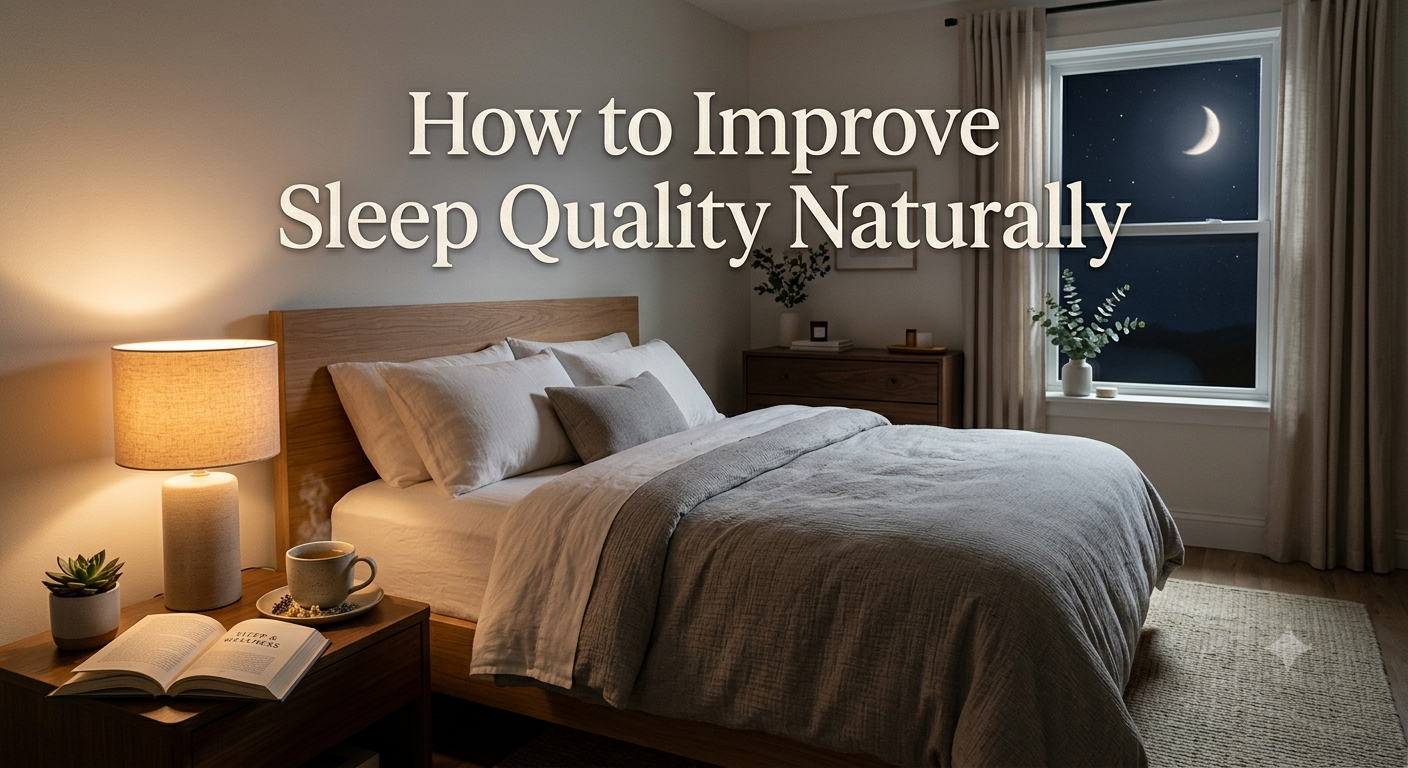
Getting a good night’s sleep isn’t a luxury—it’s one of the most important foundations of good health. If you’re trying to Improve Sleep Quality, you’re not alone. Millions of people struggle with falling asleep, staying asleep, or waking up feeling tired despite spending enough time in bed.
The good news is that improving sleep doesn’t always require medication. In many cases, simple lifestyle changes, better bedtime habits, and a healthy sleep environment can make a noticeable difference. This guide covers proven, natural strategies to help you sleep better, wake up refreshed, and enjoy better physical and mental health.
Why Sleep Quality Matters
Sleep is when your body repairs itself and your brain processes memories, emotions, and information. Poor-quality sleep affects much more than your energy levels.
Good sleep helps you:
- Improve concentration and memory
- Support a healthy immune system
- Maintain emotional balance
- Boost productivity
- Reduce stress
- Improve athletic performance
- Support heart health
- Maintain a healthy weight
On the other hand, poor sleep can increase the risk of obesity, diabetes, depression, anxiety, high blood pressure, and reduced quality of life.
What Is Good Sleep Quality?
Good sleep quality isn’t only about the number of hours you spend in bed.
Healthy sleep usually means:
- Falling asleep within 20–30 minutes
- Sleeping through most of the night
- Waking up only occasionally
- Feeling refreshed in the morning
- Staying alert throughout the day
Adults generally need 7–9 hours of sleep every night, although individual needs vary.
Signs Your Sleep Quality Needs Improvement
You may not realize your sleep is poor until it starts affecting your daily life.
Common signs include:
- Difficulty falling asleep
- Frequent nighttime awakenings
- Waking up exhausted
- Daytime sleepiness
- Difficulty focusing
- Mood swings
- Irritability
- Frequent headaches
- Heavy reliance on caffeine
Common Causes of Poor Sleep
Many factors can interfere with restful sleep.
Stress and Anxiety
A racing mind is one of the biggest reasons people struggle to fall asleep.
Excessive Screen Time
Phones, tablets, and televisions emit blue light, which can interfere with your body’s natural sleep hormone, melatonin.
Poor Sleep Schedule
Sleeping at different times every day confuses your internal body clock.
Too Much Caffeine
Coffee, tea, energy drinks, and some soft drinks can remain in your system for several hours.
Late Heavy Meals
Eating large meals close to bedtime may cause indigestion and discomfort.
Lack of Physical Activity
People who move less during the day often find it harder to sleep deeply.
Uncomfortable Sleep Environment
Noise, bright lights, uncomfortable mattresses, or extreme temperatures can reduce sleep quality.
How to Improve Sleep Quality Naturally
1. Follow a Consistent Sleep Schedule
Go to bed and wake up at the same time every day—even on weekends.
Consistency helps regulate your body’s internal clock and makes falling asleep easier over time.
Example:
- Bedtime: 10:30 PM
- Wake-up: 6:30 AM
Stick to this schedule for several weeks before expecting dramatic improvements.
2. Create a Relaxing Bedtime Routine
Your brain needs signals that it’s time to wind down.
Good bedtime activities include:
- Reading a physical book
- Taking a warm shower
- Gentle stretching
- Deep breathing
- Meditation
- Listening to calming music
- Journaling
Avoid work-related tasks before bed.
3. Reduce Blue Light Exposure
Electronic devices suppress melatonin production.
Try to:
- Stop using your phone 1 hour before bed.
- Enable blue-light filters.
- Keep televisions out of the bedroom.
- Read a printed book instead.
4. Optimize Your Bedroom
Your bedroom should encourage sleep, not distraction.
Aim for:
| Factor | Ideal Setting |
|---|---|
| Temperature | 16–19°C (60–67°F) |
| Noise | Quiet or white noise |
| Lighting | Dark |
| Mattress | Comfortable and supportive |
| Pillows | Proper neck support |
Blackout curtains and eye masks can help if outside light is unavoidable.
5. Exercise Regularly
Physical activity improves sleep quality naturally.
Good options include:
- Walking
- Cycling
- Swimming
- Strength training
- Yoga
Aim for at least 150 minutes of moderate exercise each week.
Avoid intense workouts immediately before bedtime.
6. Watch What You Eat Before Bed
Choose foods that are easy to digest in the evening.
Good evening snacks include:
- Banana
- Yogurt
- Oatmeal
- Almonds
- Kiwi
- Warm milk
Avoid:
- Spicy food
- Fried food
- Large meals
- Excess sugar
7. Limit Caffeine
Caffeine affects people differently.
As a general rule:
- Avoid coffee after early afternoon.
- Reduce energy drinks.
- Check hidden caffeine in chocolate and soft drinks.
8. Reduce Alcohol Intake
Many people think alcohol helps them sleep.
While it may make you sleepy initially, it often leads to fragmented sleep and frequent awakenings later in the night.
9. Manage Daily Stress
Stress management improves sleep significantly.
Healthy options include:
- Meditation
- Prayer
- Deep breathing
- Gratitude journaling
- Spending time outdoors
- Talking with friends
Even 10 minutes of relaxation before bed can help.
10. Get Morning Sunlight
Natural sunlight helps regulate your circadian rhythm.
Try spending 15–30 minutes outside shortly after waking up.
Morning light tells your body when to be awake and helps it produce melatonin later in the evening.
11. Avoid Long Daytime Naps
If you need a nap:
- Keep it under 30 minutes.
- Avoid napping late in the afternoon.
Long naps reduce nighttime sleep pressure.
12. Reserve Your Bed for Sleep
Avoid using your bed for:
- Working
- Watching television
- Eating
- Gaming
Your brain should associate your bed with sleep and relaxation.
Foods That May Support Better Sleep
Some foods naturally contain nutrients linked with healthy sleep.
| Food | Potential Benefit |
|---|---|
| Kiwi | Rich in antioxidants and serotonin |
| Almonds | Source of magnesium |
| Walnuts | Contains melatonin |
| Tart cherries | Natural melatonin source |
| Oats | Complex carbohydrates |
| Milk | Contains tryptophan |
| Bananas | Magnesium and potassium |
| Chamomile tea | Relaxing herbal beverage |
These foods are not cures but may support healthy sleep as part of a balanced diet.
Natural Relaxation Techniques Before Bed
Many people fall asleep faster after calming both body and mind.
Try:
- Progressive muscle relaxation
- Box breathing
- Guided meditation
- Gentle yoga
- Visualization exercises
- Slow breathing (4-7-8 technique)
Practice consistently for the best results.
Sample Evening Routine for Better Sleep
| Time | Activity |
|---|---|
| 7:00 PM | Light dinner |
| 8:00 PM | Short walk |
| 9:00 PM | Turn off work devices |
| 9:30 PM | Warm shower |
| 9:45 PM | Reading or meditation |
| 10:30 PM | Sleep |
Consistency matters more than perfection.
Benefits of Better Sleep
When you consistently improve sleep quality, you may notice:
- Better mood
- Increased energy
- Sharper memory
- Stronger immunity
- Healthier skin
- Better workout recovery
- Improved decision-making
- Reduced stress
- More stable appetite
- Higher productivity
Small improvements often add up over time.
When to Seek Medical Advice
Natural methods help many people, but they are not always enough.
Consult a healthcare professional if you experience:
- Loud snoring with pauses in breathing
- Chronic insomnia lasting several weeks
- Severe daytime fatigue
- Restless legs that disturb sleep
- Frequent nightmares
- Sudden sleep attacks during the day
These symptoms may indicate an underlying sleep disorder that requires medical evaluation.
Pro Tips to Improve Sleep Quality Naturally
- Wake up at the same time every day.
- Get natural sunlight within an hour of waking.
- Keep your bedroom cool and dark.
- Invest in a supportive mattress and pillow.
- Avoid caffeine after lunch.
- Finish dinner at least two to three hours before bedtime.
- Keep electronic devices outside the bedroom whenever possible.
- Practice five to ten minutes of deep breathing before sleep.
- Exercise regularly but avoid intense workouts late at night.
- Write tomorrow’s to-do list before bed to reduce racing thoughts.
- Limit alcohol and nicotine, especially in the evening.
- Track your sleep habits in a journal to identify patterns.
Common Mistakes to Avoid
- Sleeping at different times every night.
- Using your phone in bed.
- Drinking coffee late in the day.
- Eating heavy meals right before sleeping.
- Taking long afternoon naps.
- Ignoring stress and anxiety.
- Exercising intensely just before bedtime.
- Keeping bright lights on in the evening.
- Sleeping in an overly warm room.
- Staying in bed for long periods when unable to sleep.
- Relying on alcohol to fall asleep.
- Expecting overnight results instead of building consistent habits.
Frequently Asked Questions
1. How many hours of sleep do adults need?
Most adults need between 7 and 9 hours of sleep each night.
2. What is the fastest natural way to improve sleep quality?
Maintain a consistent sleep schedule, reduce screen time before bed, manage stress, and create a quiet, dark sleeping environment.
3. Does exercise help improve sleep quality?
Yes. Regular physical activity is associated with better sleep, although vigorous workouts should ideally be completed several hours before bedtime.
4. Is it okay to use my phone before sleeping?
Using a phone immediately before bed may make it harder to fall asleep due to blue light exposure and mental stimulation.
5. Which foods help with better sleep?
Foods like kiwi, almonds, bananas, oats, yogurt, walnuts, and tart cherries may support healthy sleep when included in a balanced diet.
6. Can stress cause insomnia?
Yes. Stress and anxiety are among the most common causes of difficulty falling asleep and staying asleep.
7. Are naps good or bad?
Short naps of 20–30 minutes can be refreshing, but long or late-afternoon naps may interfere with nighttime sleep.
8. Should I take sleeping pills?
Only use sleep medications under the guidance of a qualified healthcare professional. They are generally intended for specific situations and may not be suitable for long-term use.
9. Why do I wake up tired after eight hours of sleep?
Poor sleep quality, sleep disorders, stress, alcohol use, certain medications, or medical conditions can all contribute to waking up unrefreshed.
10. How long does it take to improve sleep naturally?
Many people notice improvements within a few weeks of consistently following healthy sleep habits, although results vary from person to person.
Conclusion
Learning how to Improve Sleep Quality naturally doesn’t require drastic changes. Simple habits—such as keeping a regular sleep schedule, reducing evening screen time, exercising regularly, managing stress, and creating a comfortable sleep environment—can make a meaningful difference over time.
Remember that better sleep is built through consistency rather than quick fixes. Start with one or two changes this week, then gradually add more healthy habits as they become routine. If sleep problems persist despite your best efforts or significantly affect your daily life, consult a qualified healthcare professional to rule out underlying medical conditions and receive appropriate guidance.